 Get A Quote
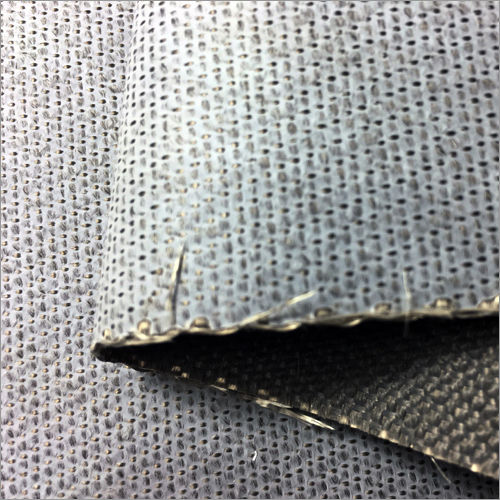
750g Fiberglass Fabric
4.00 - 6.00 USD ($)/Square Meter
Product Details:
- Thickness 0.7 mm to 0.8 mm
- Thermal Conductivity Low, typically 0.035-0.04 W/m·K
- GSM 750 GSM
- Density 750 Gram per cubic centimeter(g/cm3)
- Glass Type E-glass
- Temperature Up to 550°C (service temperature may vary)
- Coating Type Optional; uncoated or surface coated variants available (silicone, PTFE, etc.)
- Click to View more
X
750g Fiberglass Fabric Price And Quantity
- 2000 , , Square Meter
- 4.00 - 6.00 USD ($)/Square Meter
750g Fiberglass Fabric Product Specifications
- Thermal insulation, Electrical insulation, Fireproofing, Composite manufacture, Reinforcements
- Low, typically 0.035-0.04 W/m·K
- 0.7 mm to 0.8 mm
- Silicon coated, Heat cleaned, or Customized options
- E-glass Fiberglass
- Up to 550°C (service temperature may vary)
- Woven
- Optional; uncoated or surface coated variants available (silicone, PTFE, etc.)
- Available in rolls of various widths (commonly 1000mm to 2000mm), thickness as specified, length as per requirement
- Aerospace, Automotive, Marine, Construction, Electrical insulation, FRP lamination
- Rolls or cut pieces as per order
- 750 GSM
- E-glass
- 750 Gram per cubic centimeter(g/cm3)
- White, off-white, or custom (on request)
- ±5 mm
- Non-flammable
- Plain weave, twill weave (option based on requirement)
- < 0.2%
- Excellent chemical and corrosion resistance
- < 3%
- Long-lasting under recommended conditions
- Packed in PE bags and cartons or wooden cases
- High tensile strength, typically > 2700 N/50mm
750g Fiberglass Fabric Trade Information
- Shanghai
- Letter of Credit (L/C), Telegraphic Transfer (T/T)
- 100000 , , Square Meter Per Month
- 30 Days
Product Description
750g Fiberglass Fabricthat presented by us is well featured with Acid Resistant Finished and E-PTFE Membrane, ensuring its excellent performance in high running temperature, and various working condition. It is made of the best in quality fiberglass thread of multiple counts, and double twill weave pattern with advanced weaving machinery that guarantee its less air permeability, high tensile strength and long life. In addition to this, the presented750g Fiberglass Fabriccan easily be availed from us different sizes and finishes.
Product Details :
- Product: 750g Fiberglass Fabric with Acid Resistant Finished and E-PTFE Membrane
- Model: B-01NF
- Weave pattern: Double Twill
- Finishing: Acid Resistant Finished
- Weight: 750gsm
ProductSpecification:
|
Thread Count |
Weave Pattern |
Weight |
Air Permeability |
Loss on logition |
Tensile Strength |
Mullen brust |
Finish |
Running Temperature |
||
|
No./Inch |
No/cm |
Wrap |
Weft |
|||||||
|
48x40 |
19x16 |
Double Twill |
750+25 (G/m2) |
2-5 |
>10 (%) |
>2400 (N/25mm) |
>2000 (N/25mm) |
>800 (psi) |
Acid-resistant Finished+membrane |
<260oC |
Versatile Applications Across Industries
This fiberglass fabric finds widespread use in sectors such as aerospace, automotive, marine, construction, and electrical. Its ability to withstand temperatures up to 550C, combined with excellent insulation and fireproofing characteristics, makes it a trusted material for composite manufacturing, FRP lamination, and reinforcement projects.
Customizable to Specific Needs
Clients can select the preferred weave style, surface treatment, width, thickness, and length according to their project demands. Options for silicon or PTFE coatings, or uncoated variants, ensure the material meets all functional and aesthetic requirements. Packed securely in PE bags, cartons, or wooden cases, each order is handled to preserve quality during transit.
FAQs of 750g Fiberglass Fabric:
Q: How can the 750g Fiberglass Fabric be used in industrial settings?
A: The fabric is designed for thermal and electrical insulation, fireproofing, composite manufacturing, and reinforcement in sectors such as aerospace, automotive, marine, and construction. Its durability and high tensile strength make it ideal for demanding environments where safety and reliability are paramount.Q: What weave styles and surface treatments are available for this fabric?
A: Customers can choose between plain and twill weave styles based on their specific strength and flexibility needs. Available surface treatments include silicon coating, heat cleaning, or custom options like PTFE; uncoated variants are also supplied depending on application requirements.Q: When should I choose a coated variant of the fiberglass fabric?
A: A coated fabric is recommended when enhanced chemical, moisture, or temperature resistance is needed, such as in harsh or outdoor environments. Coatings like silicon and PTFE boost performance in specialized insulation, fireproofing, or corrosive settings.Q: Where is the product typically applied and delivered from?
A: This fiberglass fabric is commonly used in China for various manufacturing and reinforcement purposes, distributed worldwide through exporters, suppliers, and traders to industries including construction, marine, and aerospace.Q: What benefits does this fiberglass fabric offer over other materials?
A: It offers high tensile strength, non-flammability, excellent chemical and corrosion resistance, low elongation at break, and long service life even at temperatures up to 550C. Its adaptability for custom sizes, coatings, and packaging ensures a solution tailored to demanding industrial uses.Q: What is the process for ordering custom dimensions or surface treatments?
A: Clients can specify the required width, thickness, length, and preferred surface treatment when placing an order. Orders are then packed in PE bags, cartons, or wooden cases to ensure safe delivery to the destination.Q: Is the 750g Fiberglass Fabric suitable for electrical insulation applications?
A: Yes, thanks to its E-glass composition, low moisture content, and excellent resistance to chemicals and heat, the fabric serves as an effective insulator for electrical environments where safety and durability are critical.Tell us about your requirement

Price:
Quantity
Select Unit
- 50
- 100
- 200
- 250
- 500
- 1000+
Additional detail
Mobile number
Email

Other Products in 'Fiberglass Filter Fabric With PTFE Membrane' category


Contact Us
Jiangsu Dr Green Textile Co., Ltd

- No. 3, Guangdong Road, Economic Development Zone, Siyang, Suqian - 223700, Jiangsu, China
- Phone : 86-527-89666099
- Send Inquiry
- Yina Zhou
WhatsApp :+86 19826256578
Email : yina@bbs-fiberglass.com
Elona Cai
WhatsApp :+86 13626241815
Email : elona@bbs-fiberglass.com
 Send Inquiry
JIANGSU DR GREEN TEXTILE CO., LTD.
All Rights Reserved.(Terms of Use)
Developed and Managed by Infocom Network Private Limited.
Developed and Managed by Infocom Network Private Limited.

